

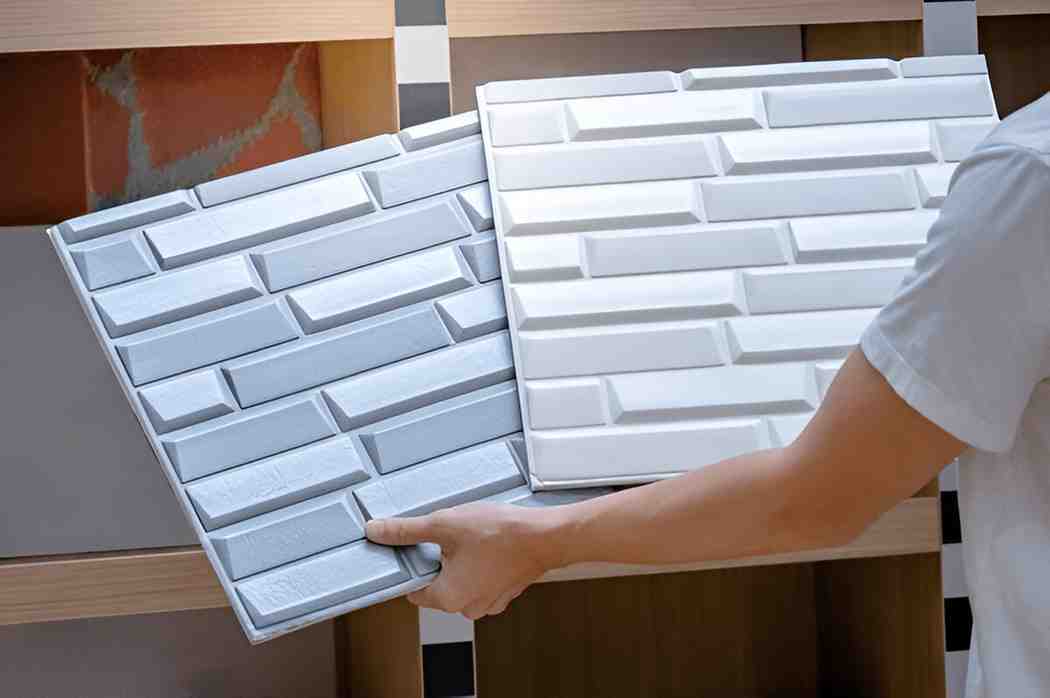
Wall Panel Design in Dubai
Walls in Dubai homes take a lot of wear. More than people realize. Sunlight through big windows. Air conditioning running almost all year. Dust settling daily. Furniture pushed close. Kids brushing past. Sometimes moisture near kitchens or bathrooms.
I’ve worked on wall panel installations across apartments and villas. And the reason people ask for panels is usually simple. Plain walls start to look tired. Paint marks easily. Cracks show faster. Cleaning becomes annoying.
Wall panels are not about decoration alone. In many homes, they solve real problems. Protection. Easy maintenance. Better finish. And sometimes, just making the room feel complete.
Why Homeowners Choose Wall Panels
Dubai homes come in many styles. High-rise apartments. Townhouses. Large villas. But many interiors share similar layouts. Big living room walls. TV walls. Corridor walls. Bedroom feature walls.
Paint alone does not always hold up well. Especially in high-traffic areas. Wall panels give structure. They protect surfaces. They hide imperfections. And they help organize the visual space of a room.
Custom wall panels allow control. Height. Width. Panel spacing. Finish. Some people want simple vertical lines. Others prefer flat panels behind a TV or bed. Some want panels that absorb sound slightly.
The goal is not to overdesign. It’s to make the wall easier to live with.
Where Wall Panels Work Best
Wall panels are useful in many parts of a home, but some areas benefit more than others.
Living rooms are the most common. TV walls especially. Panels help hide wiring, frame the TV properly, and reduce clutter. They also protect the wall from scratches caused by furniture or electronics.
Bedrooms are another common choice. Headboard walls take a lot of contact. Panels add durability and make cleaning easier. They also reduce the need for frequent repainting.
Corridors and entry areas see constant foot traffic. Bags, shoes, keys, and furniture often bump walls here. Panels protect these areas and keep them looking neat.
In dining areas, panels help with chair contact and accidental spills. In some homes, panels are also used in home offices to reduce echo and create a more focused environment.
Material and Design Choices That Actually Work
Dubai climate affects indoor materials more than people expect. Constant air conditioning dries the air. Sunlight heats walls near windows. Dust settles everywhere.
MDF panels with proper finishing are common. They are stable and cost-effective. Laminated panels handle moisture better and are easy to clean. Wood veneer panels look warm but need careful placement away from humidity and direct sun.
Panel thickness matters. Thin panels may warp over time. Proper backing and installation prevent movement.
Design should stay simple. Panels with deep grooves collect dust. Overly decorative patterns are harder to clean. Flat or lightly grooved panels are more practical for daily living.
Installation quality matters as much as material. Poor alignment shows immediately. Especially on long walls.
One Honest Limitation
Wall panels improve durability, but they are not damage-proof. Sharp impacts can still dent panels. Moisture leaks behind panels can cause swelling. Sunlight can slightly fade finishes over time.
Panels near kitchens or bathrooms need proper sealing. Panels behind TVs need ventilation gaps to avoid heat buildup.
They last well when installed correctly and maintained, but they still need care. Ignoring leaks or moisture issues will shorten their life.
Dubai-Specific Factors to Consider
Dubai interiors often have large open spaces. Wall panels help break visual emptiness and add structure. But placement matters. Too many panels can make a room feel heavy. Balance is important.
Dust is a daily reality. Smooth finishes are easier to clean. Dark colors look elegant but show dust faster. Light colors need regular wiping to stay clean.
From a property value perspective, well-designed wall panels add appeal. Especially in living rooms and master bedrooms. Buyers notice clean finishes and durable walls.
Current trends in Dubai favor minimal panel designs. Straight lines. Neutral tones. Panels that blend into the room rather than dominate it.
Why Shahed Turf Carpets Handles Wall Panels Differently
At Shahed Turf Carpets, we approach wall panel design with practicality first.
We measure carefully. We ask how the room is used. We check lighting, airflow, and nearby moisture sources. Then we suggest panel types that suit the space, not just what looks good online.
We’ve worked in apartments, villas, and commercial interiors. We understand Dubai building conditions and finishing standards.
Our focus is on panels that last, stay easy to clean, and fit naturally into the room. No unnecessary complexity. No rushed installation.
If you are planning interior upgrades or want to protect and improve your walls, we provide custom wall panel design and installation across Dubai.
Common Questions We Get
Q: Do wall panels make rooms feel smaller?
A: If overused, yes. But well-placed panels actually help define space and can make walls feel more structured, not crowded.
Q: Are wall panels hard to clean?
A: Most modern panels are easy to wipe with a damp cloth. Flat finishes are easiest to maintain.
Q: Can panels be installed on any wall?
A: Almost, but walls with moisture issues need to be fixed first. Panels should not hide problems behind them.
Q: Are panels permanent?
A: Yes, in most cases. Removing them later may require wall repair. We advise carefully before installation.
Q: Can panels be combined with paint or wallpaper?
A: Yes. Many homeowners combine panels with painted walls for balance.
Final Note
Wall panel design is not about following trends. It’s about improving how a space feels and functions over time.
Good panels stay quiet in the background. They protect walls. They reduce maintenance. They make rooms easier to live in.
If panels are chosen carefully and installed properly, they serve the home well for years. If rushed or overdesigned, they become a problem. Planning matters. Materials matter. Installation matters.
That’s the reality from working on real homes, not showroom displays.