

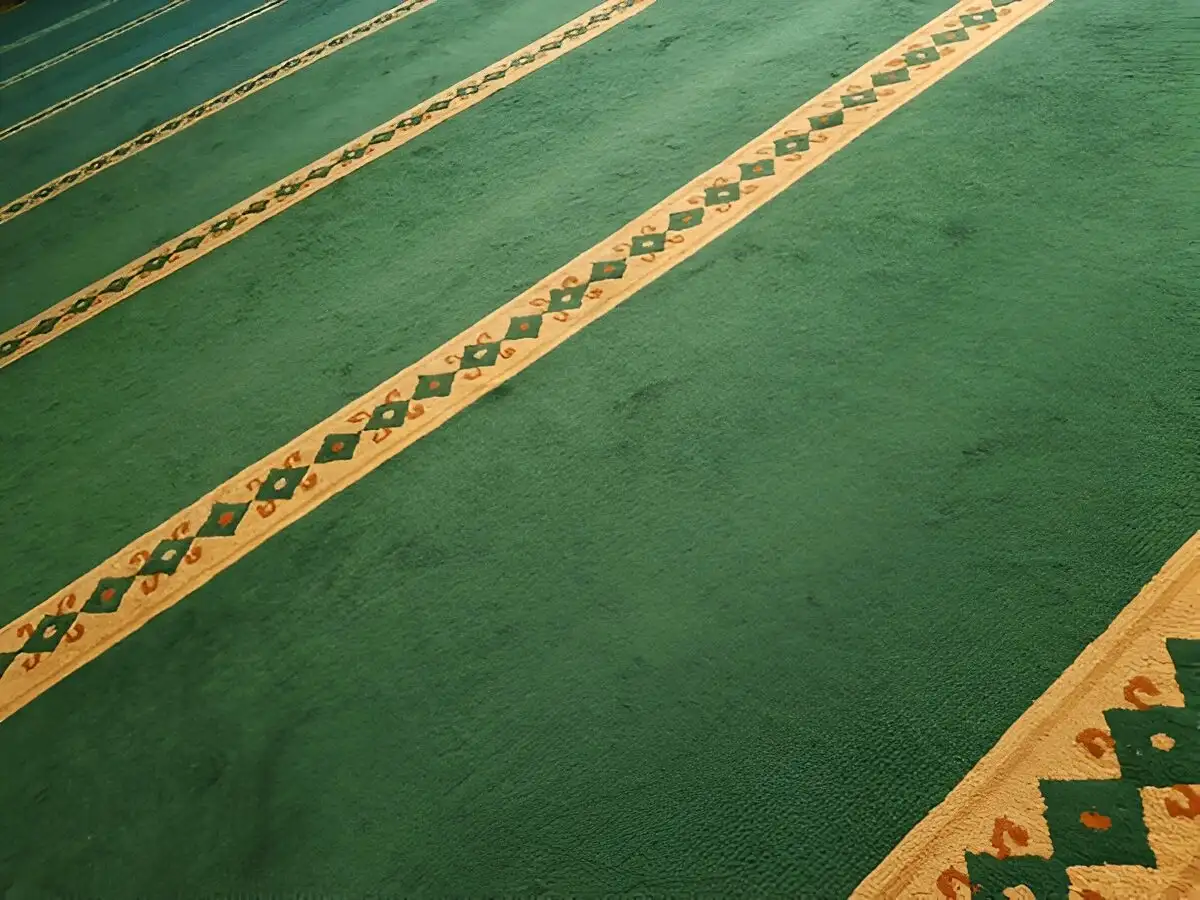
Mosque Carpets Designed for Real Use
Mosque carpets are not just decoration. They are surfaces people kneel on, touch with bare feet, and walk over many times a day. In Dubai, mosques face specific challenges: heat, air conditioning, dust, humidity, and frequent wudu water spills. Normal flooring or decorative carpets often fail quickly under these conditions. That’s why specialized mosque carpets are used. They combine comfort, durability, hygiene, and safety. We install carpets that handle real life, not just look pretty in a showroom. This service is about making prayer spaces functional, clean, and respectful of the people who use them daily.
Understanding the Needs of Prayer Spaces
Every mosque has different zones: main halls, shaded courtyards, entryways, and sometimes multi-level prayer areas. People pray on these carpets multiple times a day. That repeated contact requires fabrics that are soft enough for sujood, yet dense enough to resist wear. Carpets must also allow easy cleaning to remove dust, dirt, and moisture from wudu areas. Odor control is important, as the same space is used for prayers, gatherings, and events. Functionality is always more important than aesthetics. A carpet may look luxurious, but if it doesn’t handle daily use, it fails the purpose.
Why Specialized Mosque Carpets Work Best
Regular carpets don’t cope with mosque environments. They may flatten under constant pressure, absorb moisture, or become slippery. Mosque carpets are designed to resist flattening, handle moderate moisture, and provide grip under bare feet. They are easier to clean, and the fibers are chosen to reduce odor and wear. In Dubai, air conditioning and dust present additional challenges. Fibers must resist fading, maintain texture, and tolerate regular vacuuming or occasional deep cleaning. Choosing the right carpet is a balance of comfort, hygiene, and durability. Ignoring any of these factors results in surfaces that wear too fast or feel uncomfortable.
Common Areas for Mosque Carpet Installation
Mosque carpets are most commonly installed in main prayer halls, corridors, shaded courtyards, and mezzanine areas. The main hall takes the heaviest use, so thicker, denser carpets are recommended. Courtyards often have some exposure to sun, so UV-resistant and color-stable materials are better. Corridors and entryways handle foot traffic and shoe dust, so carpets in these areas are chosen for easy cleaning and durability. Multi-level mosques or prayer areas with stairs may need carpets that are more resilient and resistant to edge wear. Each area is approached differently because the usage patterns vary.
Material Choices and Their Practical Impact
Mosque carpets use fibers selected for durability, comfort, and hygiene. Nylon blends are common for high-traffic areas—they resist wear and maintain pile. Polypropylene fibers are moisture-resistant, easier to clean, and suitable for areas with occasional wudu spills. Wool carpets feel soft but require more care and can be expensive. We select materials based on use, climate, and expected cleaning frequency. Not every fiber works in every space. Misjudging materials leads to carpets that wear unevenly, flatten, or harbor dirt. Proper selection prevents these problems.
Installation Techniques That Matter
Installing mosque carpets is more than laying them flat. Seams must align perfectly because misalignment creates tripping hazards and looks unprofessional. Edges must be secured to avoid curling. High-traffic areas often require double backing or adhesives to prevent movement. We check every area for leveling issues, moisture, and potential snag points before installation. A poorly installed carpet can compromise safety, comfort, and longevity, no matter how good the material is. Experienced installers know how to handle large halls without wrinkles or seams that show.
Comfort and Usability During Daily Prayers
Comfort is crucial in mosques. People kneel, prostrate, and sit for long periods. Carpet density affects this. A soft, resilient carpet prevents discomfort, while a hard, thin surface causes strain. Carpet pile height must balance cushioning with durability. Too high a pile flattens quickly; too low a pile is uncomfortable. Properly installed mosque carpets provide a consistent, comfortable surface that supports prayer postures without creating wear patterns too quickly. This is something we focus on during every installation.
Cleaning and Hygiene Considerations
Mosque carpets are exposed to dust, dirt, and wudu water. Regular cleaning is mandatory to maintain hygiene. Vacuuming removes surface dust, while deeper cleaning handles moisture and odor. Some areas may need steam cleaning periodically. Materials are selected to allow easy cleaning without damaging the fibers or backing. Ignoring cleaning routines shortens carpet lifespan and reduces comfort. We provide guidance to mosque committees on the best cleaning routines based on traffic and usage.
Heat, Sunlight, and Environmental Factors
Even indoor spaces in Dubai are affected by sunlight and heat. Carpets near large windows or skylights can fade if not UV-resistant. Air conditioning can reduce humidity but also cause slight movement in backing or seams if the carpet is not properly secured. In shaded courtyards, moisture from wudu or rain can impact carpets if they aren’t chosen and installed correctly. We always explain these limitations so mosque caretakers understand what to expect and how to maintain their investment.
One Honest Limitation You Should Know
Mosque carpets are durable but not indestructible. Heavy furniture, repeated dragging, or improper cleaning can damage fibers. Excessive moisture or standing water will compromise backing and adhesive. Sun exposure near windows can fade some colors over time. Proper care and realistic usage expectations are essential. Carpets are functional, not magical—they need maintenance and respect to last.
Why Clients Choose Shahed Turf Carpets for Mosque Flooring
We don’t install mosque carpets blindly. We evaluate each space, consider foot traffic, environmental conditions, and maintenance capacity before recommending materials. Clients trust us because we provide practical advice, high-quality installation, and guidance on long-term care. We focus on comfort, durability, hygiene, and safety first. Appearance is secondary but still considered to ensure the space looks respectable. Our experience in Dubai mosques means we understand local challenges better than general flooring providers.
Maintenance and Longevity Tips
Maintaining mosque carpets is straightforward if done consistently. Vacuum regularly to remove dust. Handle wudu water spills immediately. Use neutral cleaners for stain removal. Rotate mats or carpet sections when possible to reduce uneven wear. Deep cleaning can be scheduled periodically. Following these practices ensures comfort, hygiene, and a longer lifespan. Proper maintenance is simple, but skipping it compromises the investment.
Cost and Value Perspective
Investing in high-quality mosque carpets saves money over time. Cheaper options wear quickly, flatten unevenly, and require frequent replacement. Properly selected and installed carpets last longer, maintain comfort, and minimize maintenance effort. For mosques with high traffic, durability and replaceability outweigh initial appearance or low cost. Carpet tiles or modular systems can further reduce long-term cost by allowing replacement of worn sections without touching the entire floor.
Final Thoughts on Mosque Carpets
Mosque carpets are about comfort, hygiene, and usability. They are functional first, respectful to the people using them second, and only then considered for appearance. Correct material selection, installation, and maintenance determine success. Ignoring any of these leads to disappointment and frequent replacements. When done properly, carpets enhance the prayer experience, make cleaning easier, and stand up to Dubai’s environment for years. That is our honest, real-world advice.
Frequently Asked Questions
1. What type of carpet is best for mosque halls?
Nylon or polypropylene blends are durable, easy to clean, and suitable for high-traffic areas. Wool is soft but requires more maintenance.
2. Can carpets handle wudu water spills?
Yes, modern mosque carpets can tolerate moderate moisture, but spills should be cleaned promptly to maintain hygiene.
3. How often should mosque carpets be cleaned?
Vacuuming daily or several times a week, with periodic deep cleaning depending on traffic.
4. Can damaged sections be replaced individually?
In modular or tile systems, yes. For full carpets, only sections near edges or seams can sometimes be replaced.
5. Do mosque carpets fade under sunlight?
Prolonged exposure to direct sunlight can cause fading. UV-resistant materials reduce this effect.
6. How thick should a mosque carpet be for comfort?
Thickness depends on pile density. A medium pile provides comfort without flattening quickly under heavy use.
7. Are carpets slippery for barefoot prayer?
Properly chosen and installed carpets provide grip and prevent slipping even when wet.
8. Can carpets be used in shaded courtyards?
Yes, but materials must tolerate occasional moisture and sunlight to prevent damage or mold.
9. How long do mosque carpets typically last?
With proper installation and maintenance, carpets can last 8–15 years depending on traffic and material quality.
10. Can Shahed Turf Carpets help with cleaning guidance?
Yes, we provide clear advice on cleaning routines, stain handling, and maintenance to ensure longevity.