

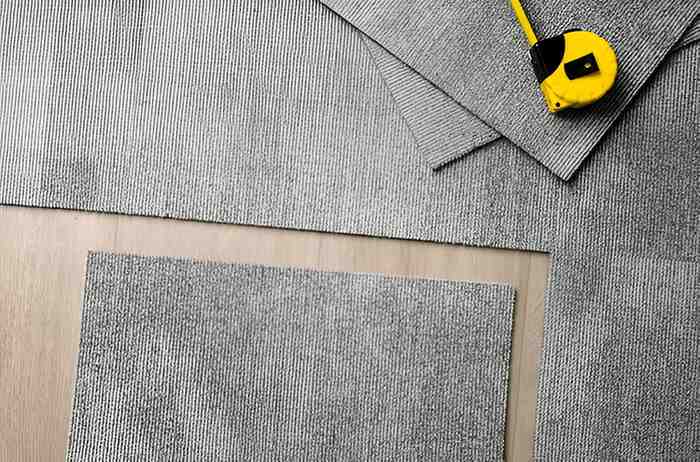
Carpet Tiles for Functional, Long-Lasting Floors
Carpet tiles are one of the most practical flooring solutions in Dubai. They are not just for looks—they are meant to be used daily. Offices, schools, clinics, and retail spaces see constant foot traffic. People drag chairs, carry equipment, spill drinks, and sometimes even move furniture around. A traditional carpet might show wear in one corner while the rest remains intact. Carpet tiles solve that problem. When one section gets damaged, it can be replaced without touching the rest of the floor. This modularity is what makes them so valuable in high-use spaces. Unlike other flooring options, carpet tiles combine durability, ease of maintenance, and flexibility without requiring a complete redo if something goes wrong.
Another advantage is comfort. Carpet tiles reduce fatigue from standing or walking for long hours, they help with sound absorption, and they prevent the echo and hard-surface feel common in offices or large halls. It is a simple solution that addresses multiple everyday problems.
Why Carpet Tiles Are Suited to Dubai Interiors
Dubai presents unique challenges for flooring. The climate varies between intense outdoor heat and heavily air-conditioned interiors. Dust is constantly present, and daily use is heavy. A flooring material that handles all these conditions is essential. Carpet tiles withstand wear better than traditional wall-to-wall carpets. They don’t curl easily, they handle foot traffic consistently, and if installed properly, they remain flat and aligned for years. They are also easier to clean than traditional carpets, which can trap dust over large surfaces. For property owners, this stability and low-maintenance behavior make carpet tiles a smart investment, especially in commercial or multi-use residential spaces.
Typical Applications for Carpet Tiles
Carpet tiles are versatile. Offices, conference rooms, hallways, classrooms, libraries, clinics, call centers, and retail spaces all benefit from modular flooring. Any area where people walk constantly, chairs roll across, or furniture shifts frequently is ideal for carpet tiles. They are also effective in multipurpose spaces where layouts may change over time. You can define zones visually with different colors or patterns without installing permanent dividers. That adaptability makes carpet tiles suitable for growing businesses or spaces that need to evolve. Even apartments with high foot traffic or rental properties benefit from the durability and modularity of carpet tiles.
Design Flexibility Without Overcomplicating
One of the strengths of carpet tiles is design flexibility. You can combine colors, textures, and orientations to create patterns, designate walking zones, or visually separate spaces. Unlike broadloom carpet or tile flooring, carpet tiles allow for quick updates. If the color scheme of your office changes or a wall is repainted, tiles can be rearranged to complement the new look. This flexibility is practical, not decorative. Patterns don’t just look good—they serve a function by reducing visible wear in high-traffic areas, hiding dust, and creating a sense of order in busy environments. For businesses, this also means that flooring upgrades are quicker and less disruptive.
Material Types and Practical Choices
Carpet tiles come in different materials, each with specific advantages. Nylon tiles resist abrasion and are ideal for offices and high-traffic commercial areas. Polyester tiles are soft, easier to clean, and budget-friendly. Polypropylene tiles are moisture-resistant and suitable for spaces where occasional spills happen. Choosing the wrong material can lead to premature wear, fading, or maintenance issues. We focus on selecting materials that match the intended use, foot traffic, and cleaning requirements. No single type of carpet tile is ideal for every situation, so a careful assessment is essential before installation. This is where expertise matters, not just cost or trendiness.
Preparing the Floor for Installation
A lot of people underestimate this step, but the subfloor determines how long carpet tiles will last. The surface must be clean, dry, and level. Any bumps, cracks, or dust particles affect adhesion and alignment. Even the best carpet tiles won’t perform well on a poorly prepared floor. Preparation includes removing old flooring residues, checking for moisture, and leveling uneven areas. Skipping this step may save time initially but causes problems within months—tiles lifting, seams misaligned, or uneven wear. Proper preparation is as important as the tiles themselves.
Installation Techniques That Matter
Carpet tiles may seem simple, but proper installation is critical. Alignment must be precise, edges clean, corners squared. Adhesives must match the material and the expected use. For high-traffic areas, stronger adhesives are often necessary. Expansion gaps are needed even though tiles are stable. Misalignment can create ripples or uneven seams that make the floor look unprofessional. We approach every installation methodically, checking layout multiple times before final fixing. A well-installed carpet tile floor will last years, even under heavy use, whereas a rushed job shows flaws immediately.
Daily Use and Maintenance
Carpet tiles are easy to maintain, but not maintenance-free. Regular vacuuming is essential to remove dust that wears fibers. Spills must be addressed promptly to avoid staining or backing damage. Deep cleaning is possible by sections rather than removing the whole floor. This reduces downtime and keeps spaces functional even during cleaning. Unlike traditional carpets, a worn or damaged tile can be lifted and replaced with minimal disruption. Simple maintenance habits extend the life of the flooring significantly and prevent minor issues from becoming major problems.
One Honest Limitation You Should Know
Carpet tiles are not suitable for wet or exterior areas. Standing water, frequent spills, or outdoor exposure damages the backing and adhesive. They are functional, not indestructible. Using carpet tiles in inappropriate areas leads to faster wear and maintenance issues. Understanding their limitations helps you get the most out of the flooring. Proper placement and usage planning are part of responsible flooring installation.
Why Shahed Turf Carpets Is the Right Choice
We don’t sell carpet tiles blindly. Our focus is on practicality, durability, and correct installation. We assess your space, usage, and traffic patterns before recommending materials. We plan layouts that optimize wear and replaceability. We install with precision and give clear guidance on care and maintenance. Our clients know that what we install will perform as expected and that we stand by our work. This is why businesses, schools, and residential clients in Dubai trust us for carpet tile installations.
Cost and Longevity Considerations
Carpet tiles reduce long-term flooring costs. Damaged tiles can be replaced instead of redoing entire floors. Cleaning is easier, repairs are localized, and layout changes are simpler. Compared to broadloom carpets or hardwood, the modular nature of tiles translates into fewer disruptions and lower ongoing expenses. They offer a balance between performance, cost, and flexibility that suits Dubai’s commercial and residential spaces.
Final Thoughts on Carpet Tiles
Carpet tiles are practical, functional, and adaptable. They are made for spaces that are used, not just shown. Installation quality, material choice, and maintenance habits determine performance more than any marketing claims. When chosen correctly, installed well, and cared for responsibly, carpet tiles perform reliably in demanding environments. They allow spaces to stay flexible, safe, and functional without constant worry or expense.
Frequently Asked Questions
Are carpet tiles suitable for offices?
Yes, offices are one of the most common applications. They reduce noise, improve comfort, and allow phased installation or replacement without disrupting operations.
Can damaged tiles be replaced individually?
Absolutely. One of the main advantages of carpet tiles is that damaged or stained sections can be replaced without touching the rest of the floor.
Do carpet tiles reduce noise?
Yes, they help absorb sound and reduce echo, which is especially useful in open-plan offices, classrooms, and clinics.
Are carpet tiles easy to clean?
Regular vacuuming removes dust and debris. Spot cleaning works for spills. Deep cleaning can be done section by section.
Can carpet tiles be installed over raised or uneven floors?
They can, but preparation is key. Subfloors must be level and smooth. Minor unevenness can be corrected, but significant issues require proper leveling before installation.
Do carpet tiles fade under sunlight?
Over time, some exposure to direct sunlight can cause fading. Placement and UV protection can help maintain appearance longer.
How long do carpet tiles typically last?
With proper installation, care, and maintenance, carpet tiles can last 8–15 years depending on material, traffic, and use.
Can I create patterns or designs with carpet tiles?
Yes, one of their major benefits is flexibility. Patterns, zones, and color variations can be implemented without complicated installation.
Are carpet tiles suitable for homes as well as offices?
Yes, especially in high-traffic areas like hallways, living rooms, and playrooms where durability and easy replacement matter.