

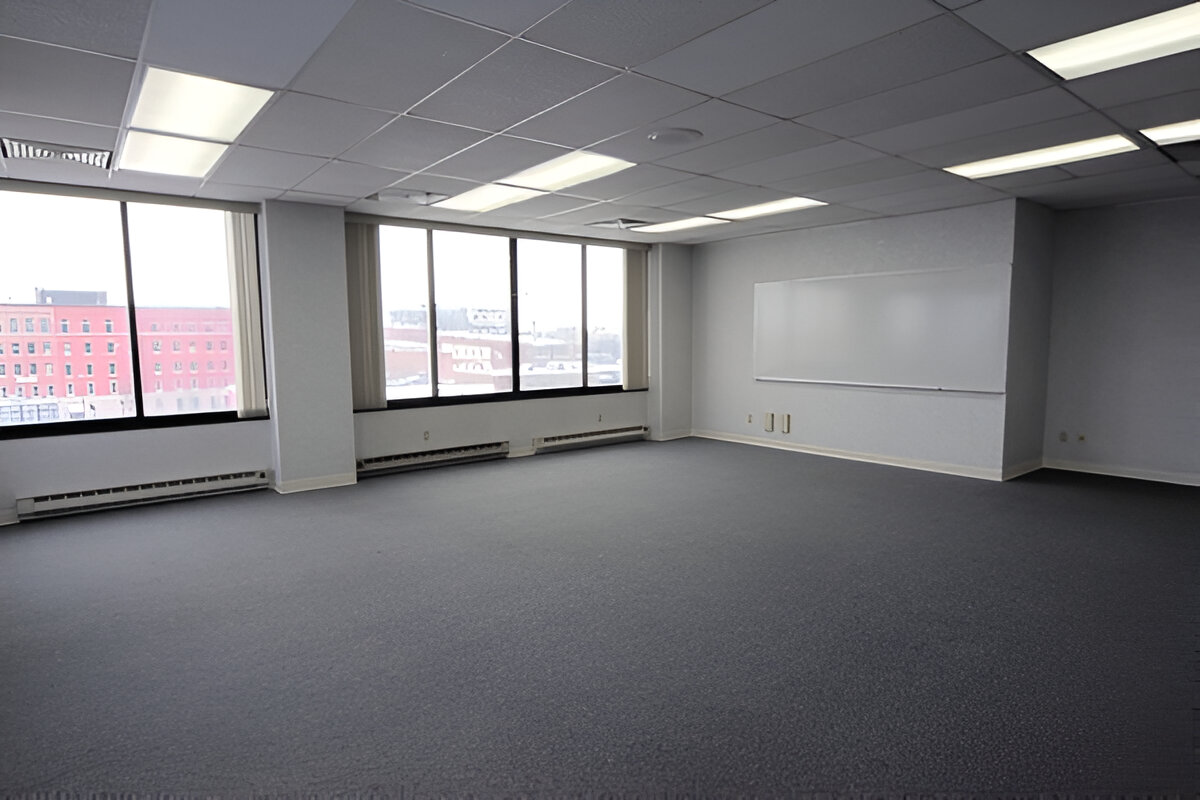
Commercial Carpets Built for Real Workspaces
Commercial carpets are not decoration—they are the backbone of functional workspaces. Offices, meeting rooms, clinics, hotels, and retail spaces see constant foot traffic. Employees walk, chairs roll, deliveries happen, and occasional spills occur. A standard residential carpet would fail quickly under these conditions. Commercial carpets are chosen for durability, ease of maintenance, and appearance that lasts. In Dubai, these carpets must handle heat, air conditioning, dust, and sunlight near windows while still maintaining comfort and safety. The goal is to provide surfaces that people can work on every day without worry, while also projecting a professional, clean look.
Understanding the Needs of Commercial Spaces
Commercial spaces have unique requirements compared to residential areas. High traffic is the main factor, but noise reduction, safety, and hygiene are equally important. Carpets absorb sound in offices, hallways, and conference rooms, creating a more comfortable environment. They reduce slips and provide a softer surface for prolonged standing. Cleaning efficiency matters because businesses cannot shut down operations for lengthy maintenance. Every choice—from fiber type to pile height—affects performance. Ignoring these factors leads to rapid wear, uneven appearance, and higher long-term costs.
Why Commercial Carpets Work Best in Dubai
Dubai presents unique challenges. Indoor heat from sunlit windows, long hours of air conditioning, dust from construction, and high foot traffic make durable carpets a necessity. Commercial carpets resist wear better than traditional rugs or tiles. They maintain pile and texture, resist fading, and handle heavy use without showing damage too quickly. Proper installation prevents wrinkles, seams lifting, or edges curling under repeated stress. Choosing the right carpet is not about style alone; it’s about longevity and practicality.
Common Applications for Commercial Carpets
Commercial carpets are used in offices, conference halls, hotels, retail shops, clinics, showrooms, and schools. Entryways, corridors, staircases, and waiting areas see especially heavy traffic. Carpet choice differs by zone: high-traffic areas require stronger fibers and denser pile; moderate-use areas allow softer textures. Even within one building, different types of commercial carpets are often installed to match usage patterns. This tailored approach prevents early wear and ensures every area performs optimally.
Material Choices That Make Sense
Commercial carpets come in a variety of materials. Nylon is the most popular for offices due to abrasion resistance, stain tolerance, and ease of cleaning. Polyester offers soft textures and easy maintenance but may show wear faster in high-traffic areas. Wool feels luxurious but is expensive and harder to clean. Polypropylene is moisture-resistant, budget-friendly, and suitable for areas prone to spills. Choosing the right material is essential. Wrong choices can lead to flattening, color fading, and higher maintenance costs. We assess your environment and usage before recommending materials.
Installation Techniques for Commercial Spaces
Installation is as important as material selection. Misaligned seams, uneven edges, or inadequate adhesive can compromise the carpet’s performance. We inspect subfloors, level surfaces, and clean thoroughly before installation. Corners, entryways, and staircases are given special attention. Expansion gaps are calculated to accommodate temperature variations in Dubai’s climate. Proper installation ensures carpets remain flat, aligned, and safe for years. This step is often overlooked, but it determines long-term satisfaction.
Comfort and Safety for Employees and Visitors
Commercial carpets provide comfort for long hours of standing or walking. Pile density and fiber selection affect cushioning and support. Safety is also critical—carpets prevent slipping and reduce fatigue. In hospitals, clinics, and retail environments, carpets need to handle quick movements and rolling chairs without losing integrity. Proper installation and material selection balance comfort with resilience, ensuring that daily activities can continue without damage or safety risks.
Maintenance and Cleaning Considerations
Maintenance is straightforward but must be consistent. Vacuuming removes dust and dirt, while periodic deep cleaning preserves texture and hygiene. Spills should be handled promptly. In high-traffic zones, localized cleaning or section replacement may be necessary to prevent visual wear. Commercial carpets are designed to handle these routines without damage. Ignoring maintenance reduces lifespan and increases long-term costs. We advise clients on realistic cleaning schedules to maximize durability and comfort.
Heat, Sunlight, and Environmental Factors
Sunlight near windows, temperature fluctuations, and air-conditioned interiors all affect commercial carpets. Some fibers fade if exposed to strong sunlight, and adhesives can react to heat cycles. Proper placement, protective window films, and UV-resistant materials help preserve the carpet. We provide these recommendations upfront so clients know what to expect and can plan maintenance accordingly. A well-informed approach prevents unnecessary wear and damage.
One Honest Limitation You Should Know
Commercial carpets are not indestructible. Heavy furniture dragging, excessive water exposure, and sharp objects can damage fibers. They are durable, but they have limits. Realistic expectations and responsible usage ensure longevity. Carpets perform best when cleaning routines are followed, traffic is monitored, and any damage is addressed promptly. This is the reality that many clients overlook but makes a significant difference in long-term performance.
Why Shahed Turf Carpets Is the Right Choice
We don’t just sell carpet. We assess your space, traffic, and cleaning capacity before recommending materials. We plan layouts to optimize durability and ease of maintenance. We install carpets with precision and provide guidance on long-term care. Our clients in Dubai trust us because we combine experience, practical advice, and quality workmanship. We focus on functional performance first, appearance second, ensuring that carpets remain safe, comfortable, and reliable for years.
Cost and Longevity Perspective
Investing in commercial carpets reduces long-term costs. Replacing entire flooring frequently is expensive and disruptive. Carpet tiles or modular systems allow localized replacements, reducing downtime and expense. Durable carpets withstand heavy use, saving on early replacement. Regular maintenance keeps them functional and aesthetically pleasing. For businesses, this approach balances cost, comfort, and longevity in a practical, measurable way.
Final Perspective on Commercial Carpets
Commercial carpets are functional tools, not decorations. They are chosen for durability, ease of maintenance, safety, and comfort. Proper material selection, installation, and maintenance determine performance. Ignoring any of these aspects leads to early wear and higher costs. With the right choices, commercial carpets support productivity, maintain cleanliness, and enhance the environment without constant worry. This is our honest advice, based on years of experience in Dubai’s commercial spaces.
Frequently Asked Questions
1. Which carpet type is best for offices?
Nylon or polypropylene blends work best due to durability, stain resistance, and ease of cleaning.
2. Can carpet tiles be replaced individually?
Yes, modular systems allow section replacement without affecting the rest of the floor.
3. How often should commercial carpets be cleaned?
Vacuuming daily or several times a week, with deep cleaning depending on traffic.
4. Do commercial carpets help with noise reduction?
Yes, they absorb sound and reduce echo in open offices, corridors, and meeting rooms.
5. Can carpets handle rolling chairs and heavy furniture?
Yes, when appropriate pile and material are chosen for the specific usage.
6. Do carpets fade under sunlight?
Prolonged exposure may cause fading; UV-resistant materials are recommended for sunlit areas.
7. Are commercial carpets suitable for clinics or hospitals?
Yes, but moisture-resistant and easy-to-clean fibers are preferred for hygiene.
8. How long do commercial carpets typically last?
With proper installation and maintenance, 8–15 years depending on usage and material.
9. Can I choose patterns or colors for commercial carpets?
Yes, patterns can help define zones, highlight walkways, or hide wear in high-traffic areas.
10. Can Shahed Turf Carpets advise on maintenance routines?
Absolutely. We provide realistic cleaning schedules and guidance to maximize lifespan and performance.